How to Match Patio Chairs With the Right Dining Table
A patio dining set works best when the chairs and table feel like they were planned together. The match does not have to be identical. In fact, a little contrast can make an outdoor space look more relaxed and considered. The main goal is to get the proportions, height, materials and spacing right, then let color and style follow.
Resin patio furniture is a useful starting point because it often comes in clean shapes and practical finishes that suit many outdoor settings. Nardi and other resin pieces can lean modern, casual or even a bit coastal, depending on the form and color. Before choosing a table, look closely at the chairs you want to live with for years, not just the ones that look good in isolation.
Start with the space you want to use
Measure the patio, deck or dining area before anything else. A table that fits on a showroom floor can feel crowded at home once chairs pull out, people walk behind them and a planter or grill enters the picture. Leave room to move around the table, especially on the side closest to a door or path.
Think about the shape of the space as well as its size. A rectangular table often suits a long patio or the wall of a house. A round table can soften a square corner and make conversation easier. If the area is narrow, a smaller table with slim chairs may feel better than a large set that dominates the layout.
Also consider how the set will be used. A table for quick weekday meals may need less seating than one for long summer dinners. Poolside spaces may call for pieces that are easy to move and comfortable in warm weather. Commercial spaces may place more weight on durable materials and simple storage.
Check table height against chair dimensions
This is the part that matters most for comfort. A standard dining table is usually around 29 inches high, while many dining chairs sit around 17 to 19 inches from the floor. That difference gives diners enough room for their legs and lets the table edge sit near elbow height when seated.

Counter-height and bar-height sets need taller chairs and a different table. Do not mix a low dining chair with a tall table and expect it to work. The result tends to feel awkward, and meals become less relaxed. If you already own chairs, measure the seat height before shopping for a table.
Arm height deserves attention too. Chair arms should slide comfortably under the table, or sit low enough that the table edge does not press against them. This is where stackable chairs can vary a lot. Some have broad arms that need a wider apron clearance, while armless chairs tuck in more easily.
Seat depth also changes how a chair pairs with a table. A deep seat can feel lounge-like, which may be pleasant for conversation but less practical for dining. For a dining area, choose chairs that support an upright but relaxed posture.
Match the visual weight of both pieces
Good matching is not always about identical materials. It is often about balance. A heavy table with slim chairs can look top-heavy, while chunky chairs around a delicate table can overwhelm it. Resin material often has a smooth, molded look, so pairing it with a table that has a similar visual weight helps the set feel intentional.
A broad rectangular table can hold chairs with a little presence, especially if the frames have thickness or sculpted backs. A smaller round or oval table often looks better with lighter chairs that do not block the view across the table. If the chairs have open backs, the whole setting will feel airier.
Color can either tie the set together or add a controlled contrast. Neutral chairs, such as white, gray, sand or charcoal, are easy to pair with many table finishes. A bold chair color works best when the table is quieter, or when the same accent appears elsewhere in the patio, such as in cushions, planters or an outdoor rug.
When choosing for a retail category like Outdoor-resin-furniture, it helps to compare not only color but also line and finish. A chair with soft curves often looks better with a rounded or gently shaped table. A chair with square edges may suit a crisp rectangular top.
Think about materials that behave outdoors
Outdoor furniture has to deal with sun, rain, temperature changes and outdoor dust. Weather resistance should be part of the matching decision, not an afterthought. Resin pieces are often chosen for outdoor use because they are practical in spaces where wood or metal may need more attention.
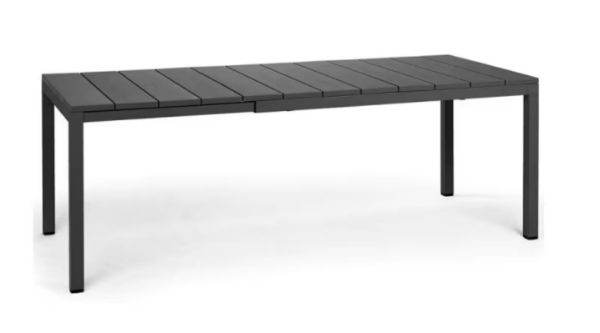
Look at the table top as carefully as the chairs. A smooth top is easier to wipe after meals. Slatted surfaces can drain and dry quickly, but crumbs and dust may collect in the gaps. Glass tops can look refined, yet they show fingerprints and may require more careful handling. If children use the space often, a surface that hides minor marks may be the better choice.
Cushions add comfort, but they also add maintenance needs. If chairs are meant to stay outside between uses, choose fabrics intended for outdoor conditions and store them when storms or heavy rain are expected. If the chairs are stackable, check whether cushions can be removed easily before stacking.
Another practical point is weight. Light chairs are easy to move, which is useful for cleaning or changing the layout. Very light chairs can shift on windy days, though, especially on an exposed patio. A heavier table can help anchor the setting, but it should still be possible to move when the space needs clearing.
Plan how many chairs really fit
Seating capacity is not only a number on a product page. It depends on the table size, chair width and the room needed to pull a chair back. A table may technically fit six chairs, but the setting can still feel tight if each seat has little elbow room.
A simple way to judge fit is to allow comfortable space between place settings and enough clearance behind each chair. For a formal dinner, more room is better. For a casual coffee or snacks, chairs can sit closer. Round tables feel friendly, but they can become crowded if the diameter is too small for the number of seats.
Before committing to a full set, check the chair width and the table length or diameter. Then imagine the arrangement with people seated, arms moving and dishes on the table. A slightly larger table often feels calmer than one that is packed with chairs.
Resin patio furniture can make this easier when pieces are designed in coordinated collections, because proportions are already considered. Mixed sets can still work well. Just keep the measurement step at the center of the decision.
Test the arrangement before you settle
If possible, place the chairs around the table before finalizing the set. Notice where legs meet the ground, how the chairs sit under the top and whether anyone has to squeeze past an armrest. Look from a seated position as well as standing. The best outdoor settings feel good from both views.
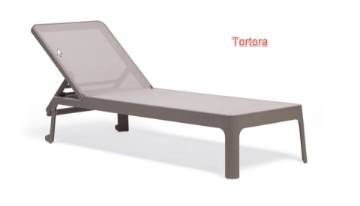
Pay attention to sightlines. Tall chair backs can block a view across a patio, garden or pool area. Low chairs can make a large table feel empty. A mix of low and high pieces needs care, especially if the table sits in a visually open space.
Outdoor-resin-furniture can be part of a flexible arrangement when the pieces are chosen with both form and use in mind. Keep the walkway clear, leave space for chairs to slide, and make sure the set suits the way the area is actually used.
Make the final choice with everyday use in mind
The right match is the one that looks settled and works without fuss. Choose the table height first, then confirm the chair dimensions. After that, balance visual weight, choose colors with a purpose and check that the materials suit the setting.
A good patio dining set should invite people to sit down without rearranging half of it. When the chairs fit the table and the table fits the space, the whole area becomes easier to use. That is the point where style and practicality stop competing and start working together.